Jan 29, 2026
Some flavors leave a lasting impression not just on the taste buds, but also in culture, tradition, and memories. Tahini is one of those. Created by roasting and patiently grinding sesame seeds, this simple yet robust food has been a cornerstone of Anatolian and Middle Eastern cuisines for centuries.
What is Tahini?
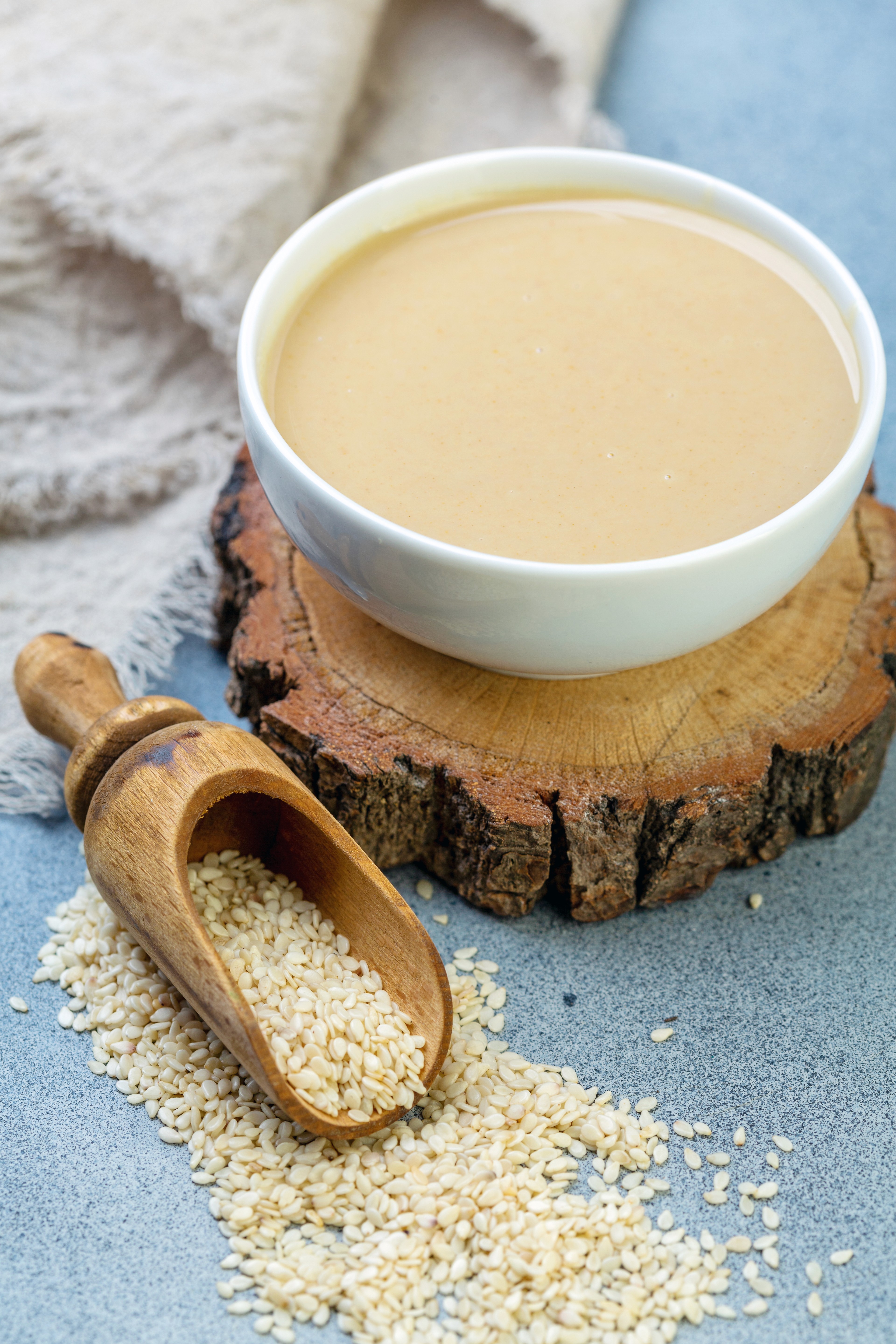
Tahini is a pure and natural food made by lightly roasting sesame seeds after removing their hulls and then grinding them. Essentially, it contains just one thing: sesame seeds. This simplicity makes tahini special both in taste and nutritional value.
With its thick consistency, roasted aroma, and slightly bitter flavor, tahini offers a distinctive taste even on its own.
In traditional cuisines:
• It's rich in healthy fats and supports cardiovascular health.
• It's a source of plant-based protein, playing a crucial role during times when meat consumption is low.
• It contains minerals like calcium, magnesium, and iron.
• It keeps you full for longer and raises blood sugar levels steadily.
• Thanks to sesame's natural antioxidants, it provides cell-protective effects.
For these reasons, tahini is being rediscovered in contemporary diets as a "functional food."
In Anatolia, it is served at breakfast as tahini with grape molasses.
In the Middle East, it is at the heart of hummus.
In Ottoman cuisine, it is a foundation for halvah and sweets.
Its scent reveals itself in tahini pastries baked in stone ovens.
With local production, traditional stone mill methods, and natural processing, tahini offers an authentic, simple, and unforgettable experience in gastronomic tourism. It is one of the finest examples of creating deep flavors with few ingredients.
The tahini and grape molasses duo has been an energy source for workers, travelers, and those fasting for centuries.
Tahini;
is the bounty of Anatolia, the balance of the Middle East, and the natural superfood of modern cuisine.
Click to read the article about Kovan Fırın's tahini pastry.