Jan 29, 2026
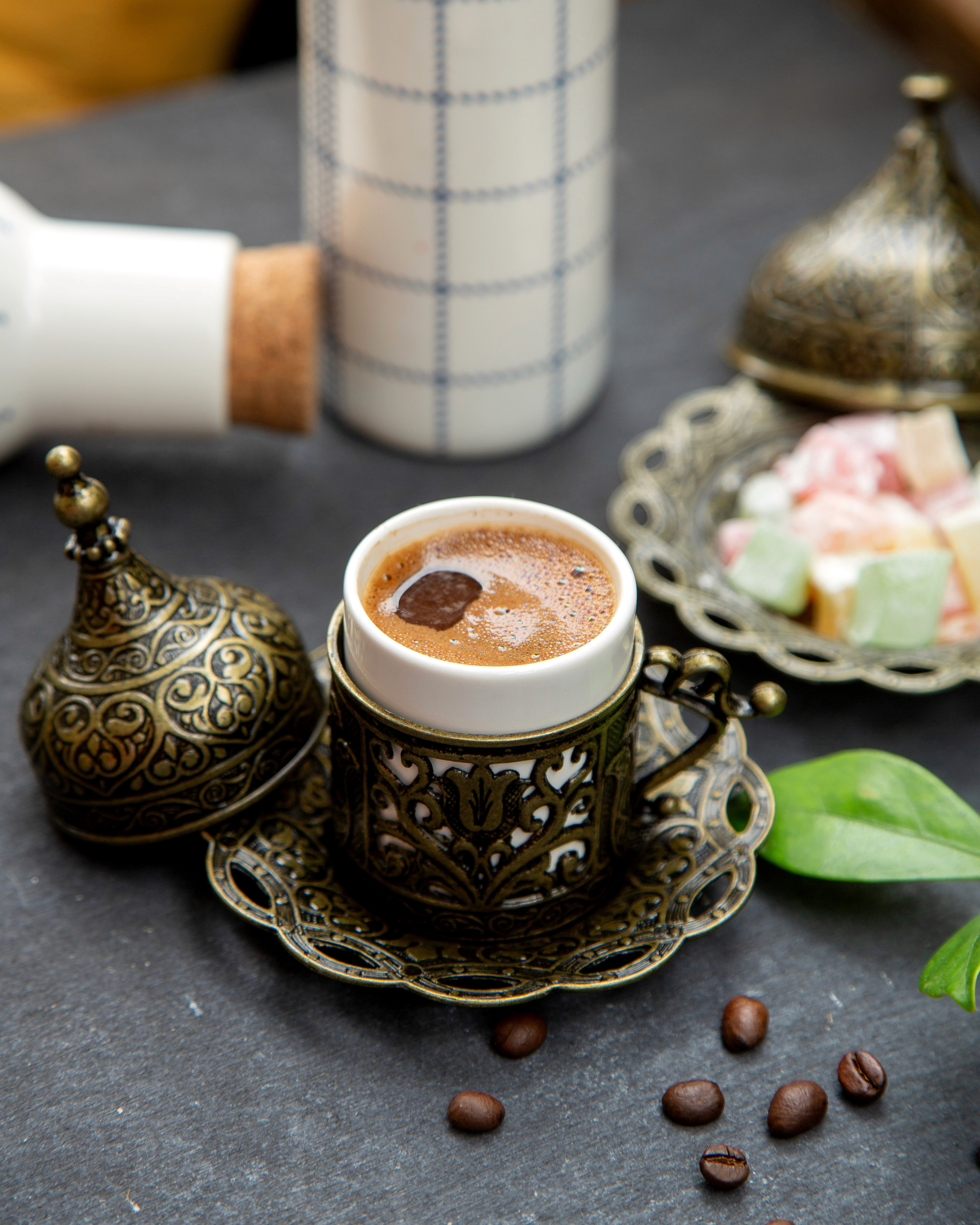
Turkish coffee is not just a drink; it's a reflection of a centuries-old culture, conversation, and ritual captured in a cup. Known for its aroma while brewing, its frothy top, and the grounds left in the cup, this special coffee is a unique taste that everyone visiting Turkey should experience.
The story of Turkish coffee dates back to the 16th century during the Ottoman Empire. Coffee beans arriving from Yemen to Istanbul adopted the cooking and serving styles we know today. Rapidly spreading from the palace to coffee houses and from homes to guest tables, Turkish coffee eventually became the centerpiece of social life. Its recognition as an 'Intangible Cultural Heritage' by UNESCO in 2013 is a testament to this deep-rooted history.
Turkish coffee distinguishes itself from other types of coffee worldwide by its preparation method. Finely ground coffee beans are boiled in a pot (cezve) with water and optionally sugar and served in a cup with the grounds unfiltered.
Thanks to this method, the essence, aroma, and richness of the coffee are passed directly to the cup. The foam on top is considered a sign of skill in making Turkish coffee. Unlike espresso, it's not brewed under pressure but rather slowly and patiently.
Drinking Turkish coffee is more than just a taste experience.
The preparation in a copper pot, presentation in a small cup, and the accompaniment of water and Turkish Delight make it a ceremonial experience.
For many tourists, Turkish coffee is one of the most enjoyable ways to feel Turkey's hospitality and its culture of relaxation. A tourist leaving these lands without experiencing Turkish coffee would certainly be missing out.
Turkish coffee is indispensable to everyday life, friendly chats, and special moments.
The saying 'A cup of coffee commits one to forty years of friendship' beautifully encapsulates the value of coffee in human relationships. It plays a central role in many cultural occasions, from marriage proposals to holiday visits, and from friendly gatherings to business meetings.
Turkish coffee is in no rush; it appreciates waiting, conversation, and sharing. In this way, it stands as one of the simplest yet strongest symbols reflecting the spirit of Turkish culture.
The Artistic Language of Turkish Coffee Cups
Turkish coffee cups are among the rare cultural objects where function meets aesthetics. While made to drink coffee, each cup is also a small piece of art reflecting the artistic taste, spirit, and style of its time.
Motifs: Decorations with Meaning
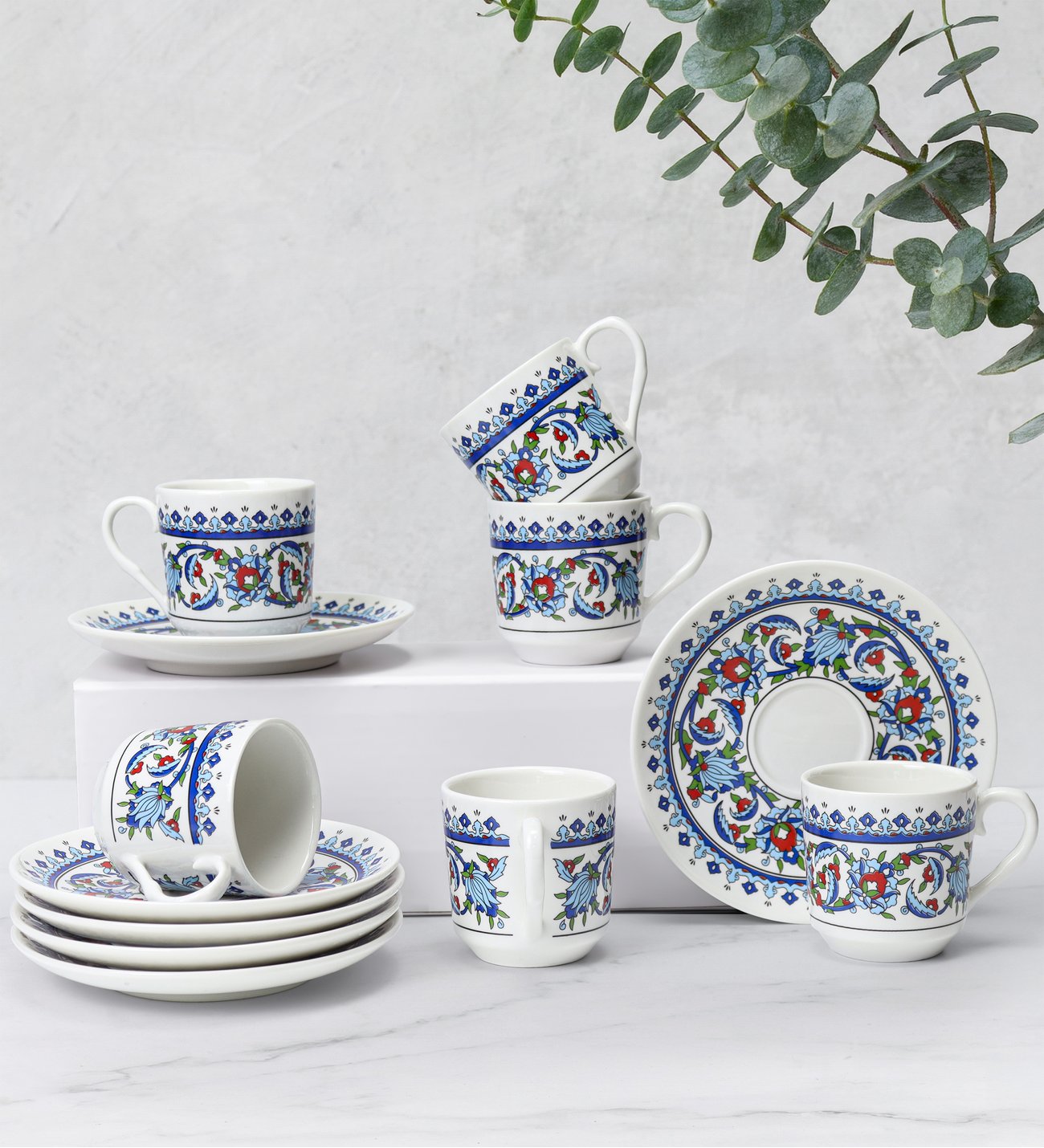
Tulips, carnations, roses, leaves, and geometric patterns often seen on cups are not just ornamentation. In Ottoman art, tulips represent elegance and balance, carnations signify nobility, and geometric designs symbolize infinity and order. These motifs, consciously or unconsciously, turn the moment of drinking coffee into an aesthetic experience.
Especially during the Ottoman era, cups were made from fine porcelain with gold gilding, often applied by hand. Although cups might look similar, each was not identical, emphasizing the craft rather than mass production.
The elegance of Chinese porcelain on Turkish coffee cups blends with the baroque and rococo influences of Europe, creating a meeting of east and west. This cultural synthesis transforms the cups into not just local but universal pieces of art. Each cup silently documents the Ottoman's aesthetic relationship with the world.
The Language of Colors
While the white base symbolizes purity and simplicity, colors like navy blue, cobalt blue, and green evoke a sense of depth and peace. Gold details represent the value given to guests. The choice of color conveys whether the coffee moment is 'everyday' or 'special.'
The Aesthetics of Form
Turkish coffee cups mostly have balanced and symmetrical shapes. This form makes them easy to hold while also providing visual harmony. Thin handle designs symbolize elegance, while thick bases signify sturdiness.
The Descent of Art into Daily Life
The most striking artistic feature of Turkish coffee cups is how art does not remain confined to museum walls but integrates into daily life. Drinking a cup of coffee is, in fact, a subtle touch on a century-old aesthetic heritage.